What to check before buying outdoor tables and chairs
Garden furniture takes more wear than many indoor pieces. Sun, rain, damp soil, spilled drinks and constant movement all affect how long a chair or table stays comfortable and steady. Before choosing outdoor tables and chairs, look past the shape and colour and check the details that decide whether they will hold up through ordinary use.
Start with the place where the furniture will sit. A sheltered courtyard, an exposed deck and a lawn that stays wet after rain create very different conditions. Measure the space, leave room for people to pull chairs back, and think about the surface under the legs. Uneven paving can make a table wobble, while soft ground can let feet sink. The best set is one that fits the way the area is used, not just one that looks good in a photograph.
Frame and material durability
The frame carries the load. Check how the legs meet the seat, how the tabletop is supported, and whether joints look tidy and consistent. A chair might feel fine at first but loosen quickly if the connections are weak. For resin pieces, look for solid construction rather than thin, flexible edges. Quality outdoor resin furniture is often chosen because it can be made with moulded parts that resist the problems that affect some natural materials, such as splintering or rot.
Material durability also depends on thickness and finish. A tabletop with a flimsy rim may flex under dishes, while a chair back with a narrow edge may feel sharp against the arms. Run a hand over the surfaces if possible and look for rough mould lines, exposed fasteners and areas likely to trap water. Resin does not need staining or sealing in the way timber can, but that does not mean every resin product is built to the same standard.
Weather resistance in real conditions
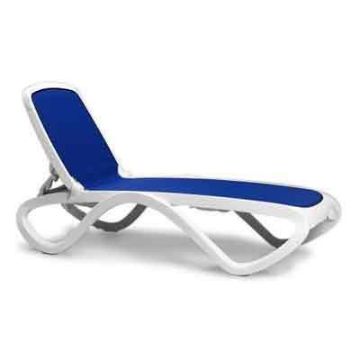
Weather resistance is more than a label. Sun exposure can fade colour, make surfaces brittle or leave a chalky texture. Moisture exposure can settle in seams, feet and undersides, especially where furniture sits on a flat surface after rain. If the set will stay outside through changing seasons, ask what it is designed to tolerate and how it should be cared for.
UV stability matters for pieces that receive direct sun for much of the day. Dark colours can show heat and fading in different ways from lighter ones, and printed or textured finishes may age differently. Freeze thaw cycles are another point to consider in colder places. Water that collects in small hollows can expand as it freezes, putting stress on joints or surfaces. A practical check is to look for drainage holes in seats, tabletops and bases, then make sure they are not blocked.
Comfort and proportions
A chair can be durable and still be a poor choice if it is uncomfortable. Check seat height, seat depth and back angle. Dining chairs need to slide under a table and support an upright posture, while lounge chairs should let the body relax without feeling unstable. Armrests should sit at a natural height, and the front edge of the seat should not press into the backs of the knees.
Table height and size deserve the same attention. A dining table needs enough room for place settings and elbows. A smaller patio table may suit two people well but become crowded for four. Round tables make movement easier in tight spots, while rectangular tables suit longer areas and larger groups. Check the clearance between chairs when everyone is seated, and make sure the tabletop edge is comfortable to lean on.
Stability and weight
Stability comes from design, weight and the way the furniture meets the ground. Lightweight chairs are easy to move, but they may shift on windy days or on smooth decking. Heavier pieces can feel steadier, though they may be awkward to rearrange or store. The right balance depends on who will move the furniture and how often.
Look at the feet. Wide contact points tend to feel more secure than narrow ones. Cross bases and well spaced legs can reduce tipping, but the overall shape still matters. If chairs will be used by children or older adults, give extra attention to seat stability and edges that could catch clothing. A table should not rock when pressure is placed near one corner, and chairs should not twist when someone sits down or stands up.
Care and cleaning demands
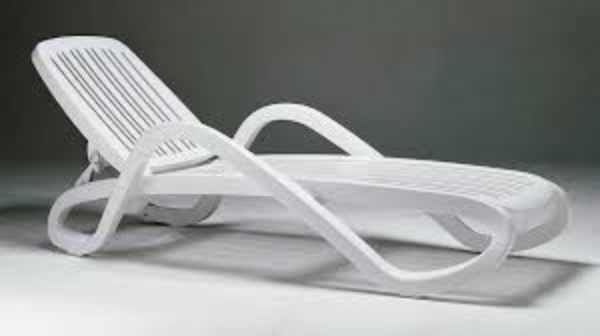
Easy care is one reason many buyers compare resin options with wood, metal or fabric. Still, the details are worth checking. Smooth surfaces are usually easier to wipe than deep grooves, and fewer crevices mean less places for pollen, dirt and moisture to gather. Ask whether cushions are part of the design, because fabric adds drying time and storage needs.
Surface cleaning should fit a normal routine. A quick rinse, a soft cloth and mild soap are often enough for everyday dirt, but stubborn marks may need more care. Avoid harsh tools that scratch the finish, and check whether the manufacturer advises against certain cleaners. Protective storage can extend the life of furniture during severe weather or long periods of non use, even when a product is made for outdoor settings. If space is limited, stackable or nested pieces may be more practical.
Use and layout fit
Think about the main purpose of the set. A dining area calls for chairs that stay comfortable through a meal and a table that can handle plates, glasses and serving dishes. A quiet seating corner may favour deeper chairs and a smaller side table. Commercial patio furnishings need a different kind of scrutiny, since repeated use makes sturdiness, stackability and simple cleaning more important.
Also consider how the furniture will be arranged over time. Sets that mix easily with other pieces give more flexibility than a style that only works as one complete grouping. Neutral tones can blend with planters, decking and outdoor rugs, while bold colours can define a zone. The goal is to choose pieces that suit the setting and remain useful as needs change.
Final checks before deciding
Before making a choice, compare the whole set rather than one item at a time. Matching finishes can look neat, but comfort and function should lead the decision. Check whether replacement parts are available, especially for cushions, feet or hardware. A small repair can keep a chair in use, while a missing part can turn a good purchase into a discarded one.
Use this short list when reviewing options:
- Frame and joints: look for solid connections and even moulding.
- Surface finish: check for rough edges, trapped water points and easy cleaning.
- Comfort: test seat depth, back support and table clearance.
- Weather fit: match UV stability, drainage and storage to the site.
- Flexibility: consider weight, stacking, movement and future arrangement.
Good outdoor tables and chairs do not need to be the heaviest or the most elaborate. They need to suit the space, tolerate local conditions and stay comfortable for the people using them. A careful review of materials, construction, proportions and care needs makes the choice clearer, and helps the furniture earn its place outdoors.